Sydney 38 – 65 Hulls


A Sydney 38 fleet during a tight start. Photo: Andrea Francolini
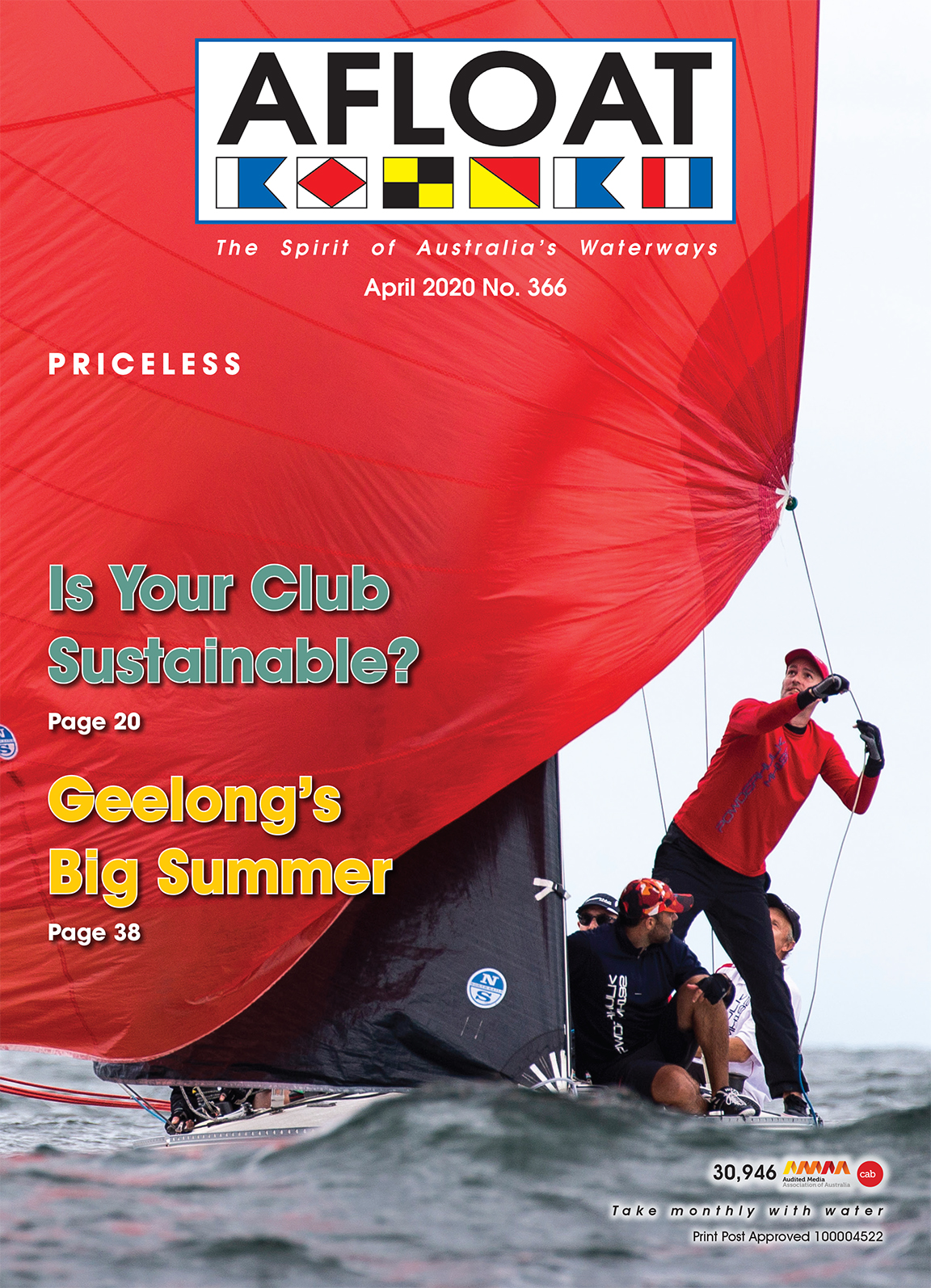
This feature article originally appeared in AFLOAT Magazine and forms part of our latest edition of boating features exploring Australian yacht racing, one-design sailing and the stories behind our most celebrated race designs.
The Sydney 38 is one of the most celebrated and proven race designs in modern Australian history, writes Kristy Theissling.
In 1991, Ian Bashford pulled his Toyota LandCruiser into the driveway of the Rowed family home on Sydney’s Northern Beaches. Mark Rowed expected to be driven to a boatyard for a job interview. Instead, Bashford headed south towards Nowra. First stop was the local primary school. Then a new housing estate. The message was simple: this was where a family could build a life. A week later, Mark Rowed and his brother Jason were working in Bashford International Boats’ original Quinn’s Lane South Nowra factory.
A couple of years later Bashford repeated the exercise. This time he drove to Newport to collect 19-year-old Martin “Tacka” Thompson and his parents. Again, the tour was less about boats than lifestyle. By day’s end, Tacka had accepted a role with a company that would go on to become one of Australia’s best-known yacht builders and launch the Sydney 38.
Those recruitment drives say much about the vision of the late Ian “Basho” Bashford. Long before the Sydney 38 became one of Australia’s most enduring one-design yachts, Bashford understood that successful boatbuilding was about people as much as products.
By the mid-1990s the company had grown to around 60 staff and moved into a larger facility at Cumberland Avenue, South Nowra. Boatbuilding was thriving and the foundations were being laid for what would become one of Australia’s most successful racing classes.
Then tragedy struck. In 1996, at just 37 years of age, Bashford died unexpectedly. “It was one of the most confronting times of my life,” recalls Tacka.
The business survived through the efforts of Bashford’s wife Louise, Tacka, Rowed and a committed team they brought together, determined to continue the vision. By the end of 1996 the company had been restructured and on the horizon was a new project: the Sydney 38.

Building the Boat
The Sydney 38 was designed by Murray Burns Dovell, with the team working from their offices at Royal Prince Alfred Yacht Club at Newport. Dovell spent countless hours refining the concept.
“The hull design was done around August 1999,” Dovell recalls.
“The Sydney 38 really grew out of the Sydney 40, which we had designed for the Admiral’s Cup. We were trying to create a one-design boat for Australian conditions and what we ended up with was very close to the Sydney 40 – just slightly smaller.”

The brief was ambitious. The boat needed to be competitive, family and twilight friendly, affordable and capable of handling Australia’s notoriously challenging offshore conditions. The devastating 1998 Sydney–Hobart Race, in which six sailors lost their lives, reinforced the industry’s focus on safer offshore yacht design. According to Tacka, the goal became a boat that was “safer, stiffer and faster”.
Dovell says the design team deliberately made the Sydney 38 more forgiving than its predecessor.
“We detuned it quite a bit from the Sydney 40,” he says. “A more forgiving keel, rudder and rig, and two feet shorter.”

The design incorporated features that would later become defining characteristics of the class: an open transom for rapid cockpit drainage, a swept-spreader rig with non-overlapping headsails to reduce crew workload, and a T-bulb keel that provided both stability and balance. Just as importantly, costs were kept under control to ensure affordability for the owners. Carbon rigs remained expensive at the time, so the Sydney 38 retained an aluminium mast. The result was a boat that could perform offshore and appeal to a wider market.
Building the Fleet
While the designers refined the concept, Rowed and his team turned it into reality. By the time production was in full swing at South Nowra, Rowed had become Production Manager at Sydney Yachts. At peak production, the factory employed around 110 staff, including apprentices, and ultimately produced approximately 65 Sydney 38s. From Hull No. 1 through to Hull No. 65, production efficiency improved dramatically. Build time fell from around 4,500 labour hours to approximately 2,750.

“At one stage we were putting a Sydney 38 out the door roughly every two weeks,” says Rowed.

Maintaining one-design integrity was critical. Every component was weighed and measured. Quality-control procedures tracked materials throughout construction and independent class measurement ensured consistency across the fleet.
“Consistency was incredibly important,” says Rowed.
That discipline would become one of the foundations of the class’s long-term success. From Bashford’s original vision, the South Nowra facility housed many of the trades required to build the boats, from fibreglass construction through to timber fit-outs and metal fabrication. Specialist teams moved each yacht through successive stages of production, creating a highly refined manufacturing process that allowed quality and efficiency to improve simultaneously.
Today, Rowed continues to operate from the same site under his own business, a reminder of the enduring connection between the people who built the boats and the class that survives now.
More Than a Boat
The Sydney 38 was never intended to be simply another production yacht. According to Tacka, the class itself formed part of the product.
“People often think we’re just talking about designing and selling a yacht, but really we were creating an entire experience around it,” he says. “You weren’t simply buying fibreglass and sails. You were buying into a package.”

That package included strict one-design racing, organised regattas, professional class administration, social connections and strong resale values. Owners could purchase a boat knowing they were entering an established community with clear rules, competitive racing and a strong support network. Tacka often describes the concept in simpler terms.
“It was your ticket into the club.”
The formula proved remarkably successful. Club twilight sailing through to National championships rotated through some of Australia’s leading sailing destinations, including Airlie Beach, Hamilton Island, Pittwater, Sydney Harbour, Geelong and Port Stephens. The class became as much about the experience ashore as it was about racing on the water.
“Only one team can win, but every person can have a great time.”

The Sydney 38 offered owners a pathway into serious one-design competition while remaining capable of offshore racing and major regattas. In an era when many classes struggled to maintain momentum beyond their launch phase, the Sydney 38 continued to attract committed owners and crews, and still does.
Why Owners Stay
For many owners, the Sydney 38’s reputation has been built offshore. Richard Tolkien, owner of Hull No. 22, still recalls one unforgettable Sydney-Hobart Race.
“It was the first evening, probably just south of Wollongong, we had the 0.75 kite up and it was blowing around 25 knots at least. The luff of the kite was touching the water,” he recalls.
“I thought, ‘If I make one wrong move here it’s all going to go pear-shaped.’ But I trusted the boat and didn’t touch the helm.”
The boat recovered.
“It’ll come up when it’s ready,” he remembers thinking. “And it did.”

For Tolkien, the memory captures what has made the Sydney 38 endure.
“It was Tonka-tough.”
The story is familiar among Sydney 38 owners. The boats developed a reputation for rewarding good sailing while remaining forgiving enough to inspire confidence in difficult conditions. They were fast enough to be exciting, robust enough for offshore racing and simple enough to campaign without the resources required by many grand-prix racing yachts.
Current owner, Jacqui Major, sees similar appeal today. After purchasing Another Challenge in 2025, originally launched for respected Melbourne yachtsman Lou Abrahams, Major quickly discovered the strength of the community surrounding the class.
“I put one little ‘looking for crew’ post up when I first bought her and now I have 68 people wanting to come sailing on her,” says Major.
She hopes to campaign the yacht at major regattas, including Hamilton Island Race Week, while also using it for sailing programs and charter opportunities. For Major, as for many owners before her, the Sydney 38 remains a versatile and engaging platform that continues to attract sailors more than two decades after the design first appeared.
Today, the Sydney 38 Association is led by President Lisa Callaghan, whose energy and commitment reflect the qualities that have sustained the class for more than 25 years. Thoughtful, engaged and deeply invested in the future of sailing, Callaghan brings a fresh perspective while respecting the traditions that underpin the fleet’s success.
A Quarter Century On
More than 25 years after the first boats left South Nowra, the Sydney 38 remains one of Australia’s most active club twilights and offshore one-design classes. The fleet continues to race regularly on Sydney Harbour and Pittwater, while owners travel to major regattas, including Geelong’s Festival of Sails, Hamilton Island Race Week and a range of offshore and coastal events. The class has outlasted many newer designs and remains a familiar sight on Australian start lines.
Perhaps that longevity is the greatest endorsement of the team’s vision.
The Sydney 38 succeeded because the people behind it understood that sailors were looking for more than a fast yacht. They wanted friendly competition. They wanted community. They wanted confidence in the boat beneath them. The Sydney 38 delivered all three.
What began as a vision shared by Basho, Louise Bashford, Mark Rowed, Tacka and the team responsible for Sydney Yachts became one of the most successful one-design projects in Australian sailing. More than a quarter of a century later, owners are still buying, racing and campaigning the boats with enthusiasm. For a yacht launched at the turn of the millennium, there may be no stronger measure of success.
This feature article originally appeared in AFLOAT Magazine. To explore more stories like this, browse the AFLOAT Magazine archive or view the latest edition of AFLOAT Magazine.